Buy aux4coinsdumonde.eu ?
We are moving the project
aux4coinsdumonde.eu .
Are you interested in purchasing the domain
aux4coinsdumonde.eu ?
domain@kv-gmbh.de · 0541-91531010
Buy aux4coinsdumonde.eu ?
What comes after the Bronze Age?
After the Bronze Age comes the Iron Age. **
Why did no advanced civilizations emerge in Australia during the Iron Age and Bronze Age?
There are several reasons why no advanced civilizations emerged in Australia during the Iron Age and Bronze Age. One key factor is the lack of suitable domesticable plants and animals for agriculture, which limited the development of complex societies. Additionally, Australia's isolation from other advanced civilizations meant there was less opportunity for cultural exchange and technological advancements. The harsh and variable climate of Australia also presented challenges for sustained settlement and agricultural development. **


Similar search terms for Bronze Age
Top-Angebote
Products related to Bronze Age:
-
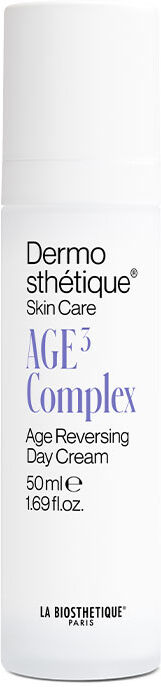
La Biosthetique Age 3 Complex Age Reversing Day Cream 50mlLa Biosthetique Age 3 Complex Age Reversing Day Cream provides a remedy every morning. Its formula blends with the skin’s own hydrolipid film, strengthens the skin and supplies it with important nutrients and lipids. With extracts of red sage, gotu kola, rosemary, rice and niacin, the powerful AGE³ complex neutralises free radicals, reverses the glycation of the skin cells, and boosts cell renewal. Skin is left looking youthful, firmed and revitalised, and the signs of skin aging appear significantly reduced. Ingredients: Aqua (Water), Glycerin, Caprylic/ Capric Triglyceride, Propylheptyl, Caprylate, Squalane, Hydrogenated Coco- Glycerides, Cetearyl Alcohol, Cetearyl Glucoside, Cetyl Palmitate, Centella Asiatica Leaf Extract*, Salvia Miltiorrhiza Leaf Extract*, Niacinamide*, Ethyl Ferulate*, Rosmarinus Officinalis (Rosemary) Leaf Extract*, Brassica Campestris (Rapeseed) Sterols, Sodium Hyaluronate, Sodium Hyaluronate Crosspolymer, Schizophyllan, Glucomannan, Helianthus Annus (Sunflower) Seed Oil, Potassium Cetyl, Phosphate, Behenyl Alcohol, Glyceryl Stearate, Palmitic Acid, Stearic Acid, Tocopherol, Cetyl Alcohol, Lauryl Alcholo, Lecithin, Myristyl Alcohol, Caprylyl Glycol, Citric Acid, Xanthan Gum, Phenoxyethanol, Benzoic Acid, Dehydroacetic Acid, Parfum (Fragrance) *Age 3 Complex94,50 £*Shipping: 0,00 £Secure redirect to the provider
-
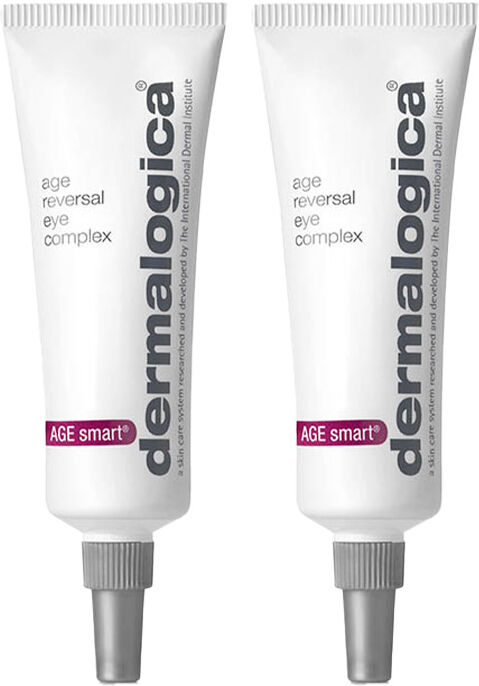
Dermalogica AGE Smart® Age Reversal Eye Complex 15ml DoubleDermalogica Age Smart® Reversal Eye Complex treats the signs of ageing by reducing the appearance of crow's feet, puffiness and dark circles. The Eye Treatment deeply nourishes and conditions the delicate skin around the eye and protects it from external aggressors that may lead to sensitivity.Dermalogica Age Smart® Reversal Eye Complex is formulated with Retinol to combat signs of ageing around the eyes and reverse photoageing. Full Ingredients Water/Aqua/Eau, Methylheptyl Isostearate, Cyclopentasiloxane, Cetyl Alcohol, Diglycerin, Dimethicone, Pentylene Glycol, Prunus Armeniaca (Apricot) Kernel Oil, Glyceryl Stearate PEG-100 Stearate, Isohexadecane, Propanediol, Glycerinm, Niacinamide, Palmitoyl Tetrapeptide-7, Sodium Ascorbyl Phosphate, Algae Extract, Retinol, Saccharomyces Lysate Extract, Palmitoyl Tripeptide-5, Avena Sativa (Oat) Kernel Extract, Dunaliella Salina Extract Panthenol, Hydrolyzed Lupine Protein, Dipeptide-2, Ascorbyl Palmitate, Sodium Hyaluronate, Medicago Sativa (Alfalfa) Seed Extract, Saccharomyces Lysate Extract, Hydrolyzed Soy Protein, Glycyrrhiza Glabra (Licorice) Root Extract, Bisabolol, Caffeine, Glucosamine HCL, Aleurites Moluccana Seed Oil, Fraxinus Excelsior Bark Extract, Tocopherol, Silanetriol, Palmitoyl Tripeptide-1, Ceramide 3, Lecithin, Arginine/Lysine Polypeptide, Tremella Fuciformis Polysaccharide, Camellia Sinensis Leaf Extract, Cucumis Sativus (Cucumber) Fruit Extract, Tocopheryl Acetate, Corallina Officinalis Extract, Dimethiconol, Hesperidin Methyl Chalcone, Pantolactone, Ceramide NP, Sodium Lactate, Leuconostoc/Radish Root Ferment Filtrate, Acrylates/C10-30 Alkyl Acrylate Crosspolymer, Laureth-23, Oryza Sativa (Rice) Bran Extract, Urea, Polyglycerin-3, Helianthus Annuus (Sunflower) Seed Oil, Cetyl Palmitate, Trideceth-6 Phosphate, Butylene Glycol, Carbomer, Potassium Sorbate, Oleth-20, Sodium Acrylates Copolymer, Isostearic Acid, Steareth-20, Polysorbate 20, Caprylic/Capric Triglycerides, Disodium EDTA, Sodium Benzoate, BHA, Potassium Citrate, Citric Acid, BHT, Sodium Hydroxide, Aminomethyl Propanol, Ethylhexylglycerin, Phenoxyethanol. We are dedicated to maintaining the accuracy of the ingredient lists on this website. However, because ingredients are subject to change, we cannot guarantee that these lists are complete, up-to-date and/or error-free. For an accurate listing of ingredients in each product, please refer to your product packaging.150,10 £*Shipping: 0,00 £Secure redirect to the provider
-
Uplift Treasures Retro Pirate Treasure Coins Party Favor Set bronze 20pcsProduct Description: Add excitement to your pirate adventures with these retro pirate treasure coins. Perfect for treasure hunts, birthday parties, Halloween events, classroom rewards, cosplay, and party favors, these realistic plastic coins make...41,97 $*Shipping: 0,00 $Secure redirect to the provider

-
Why did no high civilizations emerge in Australia during the Iron Age and Bronze Age?
There are several reasons why no high civilizations emerged in Australia during the Iron Age and Bronze Age. One key factor is the lack of suitable domesticable plants and animals in Australia, which limited the development of complex agricultural societies. Additionally, the harsh and variable climate of Australia may have made it difficult for large populations to establish permanent settlements. Furthermore, the geographical isolation of Australia from other advanced civilizations may have hindered the exchange of ideas and technologies necessary for the development of high civilizations. **
-
Where can I find a source on the topic of everyday life in the Stone Age, Bronze Age, and Iron Age?
You can find sources on the topic of everyday life in the Stone Age, Bronze Age, and Iron Age in a variety of places. One option is to look for books on prehistoric and ancient history, which often include chapters or sections on daily life during these periods. Additionally, academic journals and articles in the fields of archaeology, anthropology, and history may provide detailed information on this topic. Museums and cultural institutions may also have exhibits, educational materials, and online resources that explore the daily lives of people in these ancient eras. **
-
How is bronze made?
Bronze is made by combining copper and tin in a specific ratio, typically around 90% copper and 10% tin. The two metals are melted together at high temperatures, usually around 1,700 degrees Fahrenheit, and then poured into a mold to cool and solidify. Once the bronze has cooled, it can be further shaped and refined through processes such as casting, forging, or machining. Bronze has been used for thousands of years due to its strength, durability, and ability to hold intricate details, making it a popular material for sculptures, tools, and decorative objects. **
-
Why does bronze rust?
Bronze rusts due to a process called oxidation, where the metal reacts with oxygen in the air or water. This reaction forms a layer of copper oxide on the surface of the bronze, giving it a greenish or brownish color. This layer of oxide can continue to grow and spread, eventually leading to the deterioration of the bronze if not properly maintained. Additionally, exposure to moisture and certain chemicals can accelerate the rusting process. **


Why is bronze red?
Bronze appears red because of the presence of copper in its composition. Copper is a metal that has a reddish-brown color, and when it is mixed with other metals such as tin to create bronze, it imparts a reddish hue to the alloy. The amount of copper in the bronze mixture can also affect the shade of red that is produced. **
Does gilded bronze tarnish?
Yes, gilded bronze can tarnish over time due to exposure to air and moisture. The thin layer of gold plating on the bronze can wear off, exposing the bronze underneath to oxidation, which causes tarnishing. To prevent tarnishing, it is important to clean and maintain gilded bronze objects regularly and store them in a dry, controlled environment. **
Top-Angebote
Products related to Bronze Age:
-
Uplift Essentials 20Pcs Retro Pirate Treasure Gold Coins bronzeSet sail for highseas adventure and fill your treasure chests with this 20piece retro pirate coin set. Designed with an authentic, rustic antique look, each plastic coin features raised embossed details like skull and crossbones, compass motifs, and...38,97 $*Shipping: 0,00 $Secure redirect to the provider
-
Inspired Living Retro Pirate Treasure Coins Fake Gold Coins For Treasure Hunts & Party Favors bronze 100pcsTurn an ordinary celebration into a treasurefilled adventure kids will remember. These pirate treasure coins bring imaginative play to life with a classic goldtoned, oldworld treasure look. Lightweight and easy to scatter, hide, or hand out, they're...23,97 $*Shipping: 0,00 $Secure redirect to the provider
-
La Biosthetique Age 3 Complex Age Reversing Day Cream 50mlLa Biosthetique Age 3 Complex Age Reversing Day Cream provides a remedy every morning. Its formula blends with the skin’s own hydrolipid film, strengthens the skin and supplies it with important nutrients and lipids. With extracts of red sage, gotu kola, rosemary, rice and niacin, the powerful AGE³ complex neutralises free radicals, reverses the glycation of the skin cells, and boosts cell renewal. Skin is left looking youthful, firmed and revitalised, and the signs of skin aging appear significantly reduced. Ingredients: Aqua (Water), Glycerin, Caprylic/ Capric Triglyceride, Propylheptyl, Caprylate, Squalane, Hydrogenated Coco- Glycerides, Cetearyl Alcohol, Cetearyl Glucoside, Cetyl Palmitate, Centella Asiatica Leaf Extract*, Salvia Miltiorrhiza Leaf Extract*, Niacinamide*, Ethyl Ferulate*, Rosmarinus Officinalis (Rosemary) Leaf Extract*, Brassica Campestris (Rapeseed) Sterols, Sodium Hyaluronate, Sodium Hyaluronate Crosspolymer, Schizophyllan, Glucomannan, Helianthus Annus (Sunflower) Seed Oil, Potassium Cetyl, Phosphate, Behenyl Alcohol, Glyceryl Stearate, Palmitic Acid, Stearic Acid, Tocopherol, Cetyl Alcohol, Lauryl Alcholo, Lecithin, Myristyl Alcohol, Caprylyl Glycol, Citric Acid, Xanthan Gum, Phenoxyethanol, Benzoic Acid, Dehydroacetic Acid, Parfum (Fragrance) *Age 3 Complex94,50 £*Shipping: 0,00 £Secure redirect to the provider
-
Dermalogica AGE Smart® Age Reversal Eye Complex 15ml DoubleDermalogica Age Smart® Reversal Eye Complex treats the signs of ageing by reducing the appearance of crow's feet, puffiness and dark circles. The Eye Treatment deeply nourishes and conditions the delicate skin around the eye and protects it from external aggressors that may lead to sensitivity.Dermalogica Age Smart® Reversal Eye Complex is formulated with Retinol to combat signs of ageing around the eyes and reverse photoageing. Full Ingredients Water/Aqua/Eau, Methylheptyl Isostearate, Cyclopentasiloxane, Cetyl Alcohol, Diglycerin, Dimethicone, Pentylene Glycol, Prunus Armeniaca (Apricot) Kernel Oil, Glyceryl Stearate PEG-100 Stearate, Isohexadecane, Propanediol, Glycerinm, Niacinamide, Palmitoyl Tetrapeptide-7, Sodium Ascorbyl Phosphate, Algae Extract, Retinol, Saccharomyces Lysate Extract, Palmitoyl Tripeptide-5, Avena Sativa (Oat) Kernel Extract, Dunaliella Salina Extract Panthenol, Hydrolyzed Lupine Protein, Dipeptide-2, Ascorbyl Palmitate, Sodium Hyaluronate, Medicago Sativa (Alfalfa) Seed Extract, Saccharomyces Lysate Extract, Hydrolyzed Soy Protein, Glycyrrhiza Glabra (Licorice) Root Extract, Bisabolol, Caffeine, Glucosamine HCL, Aleurites Moluccana Seed Oil, Fraxinus Excelsior Bark Extract, Tocopherol, Silanetriol, Palmitoyl Tripeptide-1, Ceramide 3, Lecithin, Arginine/Lysine Polypeptide, Tremella Fuciformis Polysaccharide, Camellia Sinensis Leaf Extract, Cucumis Sativus (Cucumber) Fruit Extract, Tocopheryl Acetate, Corallina Officinalis Extract, Dimethiconol, Hesperidin Methyl Chalcone, Pantolactone, Ceramide NP, Sodium Lactate, Leuconostoc/Radish Root Ferment Filtrate, Acrylates/C10-30 Alkyl Acrylate Crosspolymer, Laureth-23, Oryza Sativa (Rice) Bran Extract, Urea, Polyglycerin-3, Helianthus Annuus (Sunflower) Seed Oil, Cetyl Palmitate, Trideceth-6 Phosphate, Butylene Glycol, Carbomer, Potassium Sorbate, Oleth-20, Sodium Acrylates Copolymer, Isostearic Acid, Steareth-20, Polysorbate 20, Caprylic/Capric Triglycerides, Disodium EDTA, Sodium Benzoate, BHA, Potassium Citrate, Citric Acid, BHT, Sodium Hydroxide, Aminomethyl Propanol, Ethylhexylglycerin, Phenoxyethanol. We are dedicated to maintaining the accuracy of the ingredient lists on this website. However, because ingredients are subject to change, we cannot guarantee that these lists are complete, up-to-date and/or error-free. For an accurate listing of ingredients in each product, please refer to your product packaging.150,10 £*Shipping: 0,00 £Secure redirect to the provider
-
What comes after the Bronze Age?
After the Bronze Age comes the Iron Age. **
-
Why did no advanced civilizations emerge in Australia during the Iron Age and Bronze Age?
There are several reasons why no advanced civilizations emerged in Australia during the Iron Age and Bronze Age. One key factor is the lack of suitable domesticable plants and animals for agriculture, which limited the development of complex societies. Additionally, Australia's isolation from other advanced civilizations meant there was less opportunity for cultural exchange and technological advancements. The harsh and variable climate of Australia also presented challenges for sustained settlement and agricultural development. **
-
Why did no high civilizations emerge in Australia during the Iron Age and Bronze Age?
There are several reasons why no high civilizations emerged in Australia during the Iron Age and Bronze Age. One key factor is the lack of suitable domesticable plants and animals in Australia, which limited the development of complex agricultural societies. Additionally, the harsh and variable climate of Australia may have made it difficult for large populations to establish permanent settlements. Furthermore, the geographical isolation of Australia from other advanced civilizations may have hindered the exchange of ideas and technologies necessary for the development of high civilizations. **
-
Where can I find a source on the topic of everyday life in the Stone Age, Bronze Age, and Iron Age?
You can find sources on the topic of everyday life in the Stone Age, Bronze Age, and Iron Age in a variety of places. One option is to look for books on prehistoric and ancient history, which often include chapters or sections on daily life during these periods. Additionally, academic journals and articles in the fields of archaeology, anthropology, and history may provide detailed information on this topic. Museums and cultural institutions may also have exhibits, educational materials, and online resources that explore the daily lives of people in these ancient eras. **
Similar search terms for Bronze Age
-
Uplift Treasures Retro Pirate Treasure Coins Party Favor Set bronze 20pcsProduct Description: Add excitement to your pirate adventures with these retro pirate treasure coins. Perfect for treasure hunts, birthday parties, Halloween events, classroom rewards, cosplay, and party favors, these realistic plastic coins make...41,97 $*Shipping: 0,00 $Secure redirect to the provider
-
Inspired Living Retro Pirate Treasure Coins Fake Gold Coins For Treasure Hunts & Party Favors bronze 20pcsTurn an ordinary celebration into a treasurefilled adventure kids will remember. These pirate treasure coins bring imaginative play to life with a classic goldtoned, oldworld treasure look. Lightweight and easy to scatter, hide, or hand out, they're...23,97 $*Shipping: 0,00 $Secure redirect to the provider
-
How is bronze made?
Bronze is made by combining copper and tin in a specific ratio, typically around 90% copper and 10% tin. The two metals are melted together at high temperatures, usually around 1,700 degrees Fahrenheit, and then poured into a mold to cool and solidify. Once the bronze has cooled, it can be further shaped and refined through processes such as casting, forging, or machining. Bronze has been used for thousands of years due to its strength, durability, and ability to hold intricate details, making it a popular material for sculptures, tools, and decorative objects. **
-
Why does bronze rust?
Bronze rusts due to a process called oxidation, where the metal reacts with oxygen in the air or water. This reaction forms a layer of copper oxide on the surface of the bronze, giving it a greenish or brownish color. This layer of oxide can continue to grow and spread, eventually leading to the deterioration of the bronze if not properly maintained. Additionally, exposure to moisture and certain chemicals can accelerate the rusting process. **
-
Why is bronze red?
Bronze appears red because of the presence of copper in its composition. Copper is a metal that has a reddish-brown color, and when it is mixed with other metals such as tin to create bronze, it imparts a reddish hue to the alloy. The amount of copper in the bronze mixture can also affect the shade of red that is produced. **
-
Does gilded bronze tarnish?
Yes, gilded bronze can tarnish over time due to exposure to air and moisture. The thin layer of gold plating on the bronze can wear off, exposing the bronze underneath to oxidation, which causes tarnishing. To prevent tarnishing, it is important to clean and maintain gilded bronze objects regularly and store them in a dry, controlled environment. **
* All prices are inclusive of VAT and, if applicable, plus shipping costs. The offer information is based on the details provided by the respective shop and is updated through automated processes. Real-time updates do not occur, so deviations can occur in individual cases. ** Note: Parts of this content were created by AI.